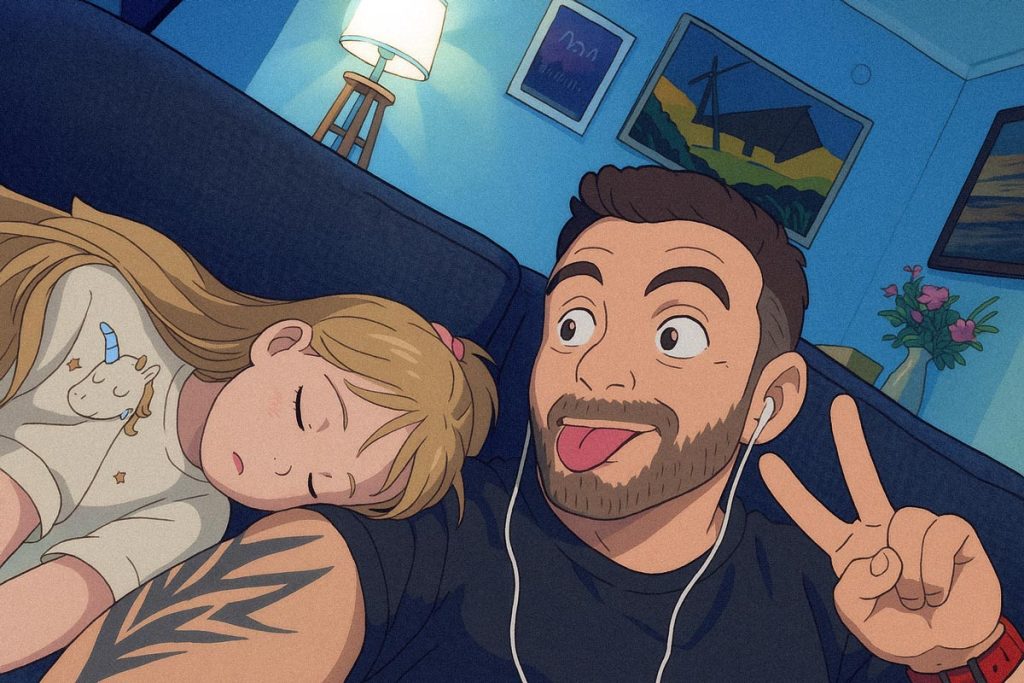
As a long-time admirer of Studio Ghibli, I found the recent trend of AI-generated Ghibli-style images both fascinating and heartwarming.
The ability to transform personal photos into scenes reminiscent of Spirited Away or My Neighbor Totoro felt like a beautiful homage to the studio’s artistry, rather than an infringement upon it. There’s something uniquely magical about seeing ordinary memories reimagined through the lens of Ghibli’s dreamy, hand-crafted aesthetic — it’s almost like stepping into a fantasy world of your own making.
Rather than diminishing the original works, these AI adaptations seem to spark renewed interest in Ghibli’s legacy, inviting people to explore the depth, wonder, and humanity in its storytelling. For fans like me, it’s not about replacing the original art, but celebrating it — extending its visual language into personal, meaningful spaces.
The emotional resonance of Ghibli films remains untouched, while the use of AI opens new doors for personal expression within a beloved style.
The rise of AI-generated Ghibli-style imagery
The surge in popularity of these AI tools, particularly following the release of OpenAI’s GPT-4o, led to a significant increase in user engagement across various platforms. It wasn’t just a niche tech moment — it became a full-blown cultural wave. As people experimented with transforming their selfies and snapshots into Ghibli-inspired scenes or other imaginative reinterpretations, the accessibility and playfulness of these tools brought a wide range of new users into the AI space.
Reports indicated that ChatGPT’s weekly app downloads and in-app purchase revenue saw a staggering year-over-year increase of over 500% during the peak of this trend. That kind of growth doesn’t happen in a vacuum. It reflects how quickly people embraced these AI capabilities not just for productivity, but for creativity and personal storytelling.
Whether it was nostalgia, novelty, or a genuine appreciation for the art styles being emulated, the numbers pointed to something much deeper: people were craving ways to connect with technology in an emotional, expressive, and often whimsical way.
Studio Ghibli’s stance on AI replication
While some critics voiced concerns about the ethical implications of replicating Ghibli’s distinctive style, it’s worth noting that neither Studio Ghibli nor Hayao Miyazaki have issued any public statements condemning this recent wave of AI-generated Ghibli-style imagery. The silence is telling — not in a dismissive sense, but perhaps as an indication that the studio doesn’t necessarily view this trend as a direct threat or infringement.
Naturally, Miyazaki’s past comments on artificial intelligence, particularly a widely circulated 2016 remark where he expressed discomfort with AI-generated animation and questioned its understanding of humanity and emotion, have resurfaced in light of this. But context is everything. Those comments came in response to a deeply unsettling and experimental project that lacked any narrative or emotional depth. It’s not quite the same as someone using AI to turn a photo of their cat into something that looks like a frame from Kiki’s Delivery Service.
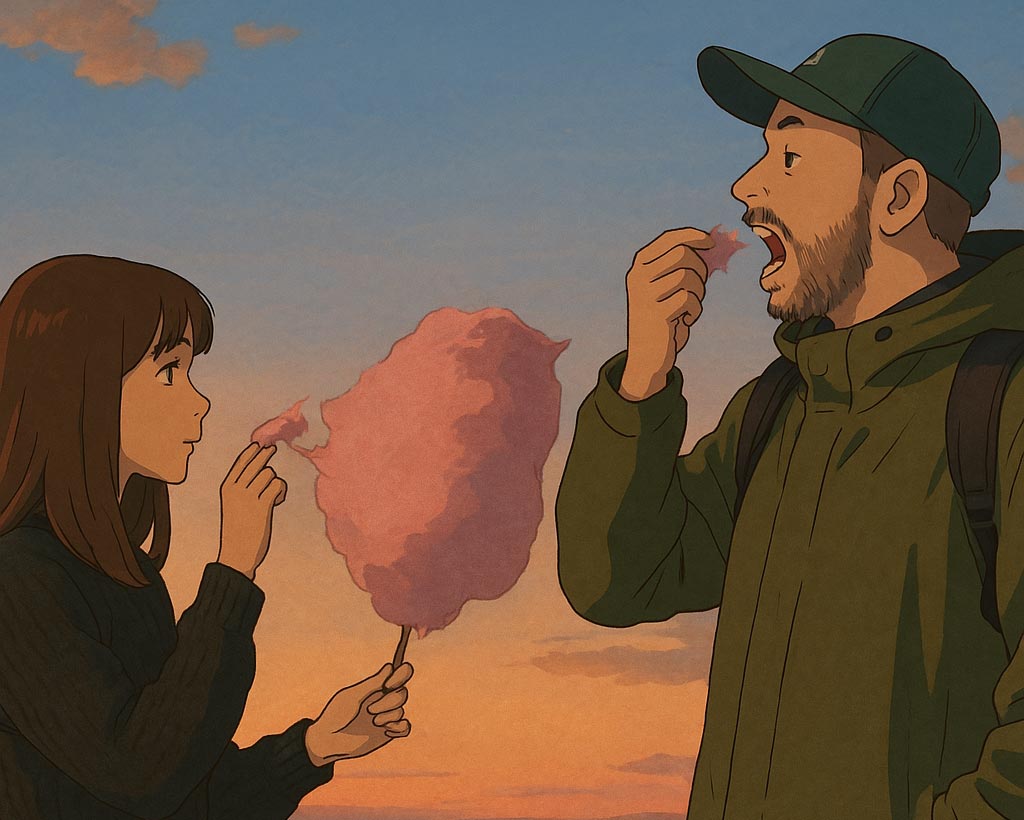
Amplifying appreciation through AI
There’s a vast difference between cold, soulless automation and a whimsical AI-powered tribute rooted in love for the art. If anything, the popularity of this trend reflects how deeply people resonate with the emotional richness of Ghibli’s films — to the point of wanting to insert themselves into that universe, not exploit it.
And while the line between homage and imitation is always worth discussing, it’s important to approach this conversation with nuance. In this case, it seems less like a corporate co-optation of style, and more like a global love letter to a body of work that shaped so many imaginations.
The intersection of technology and tradition
In my view, this trend has only served to amplify appreciation for Ghibli’s work in the most unexpected yet beautiful way. By allowing fans to engage with the studio’s aesthetic through a new, interactive medium, it’s brought the enchanting spirit of Ghibli into personal spaces and digital conversations alike.
When someone sees their own world reimagined through the lens of Howl’s Moving Castle or Princess Mononoke, it becomes more than just a photo filter — it becomes a deeply emotional, nostalgic bridge between memory and fantasy. That kind of connection is powerful. It turns passive viewers into active participants in the Ghibli universe, and in doing so, it helps the legacy live on in new and meaningful ways.
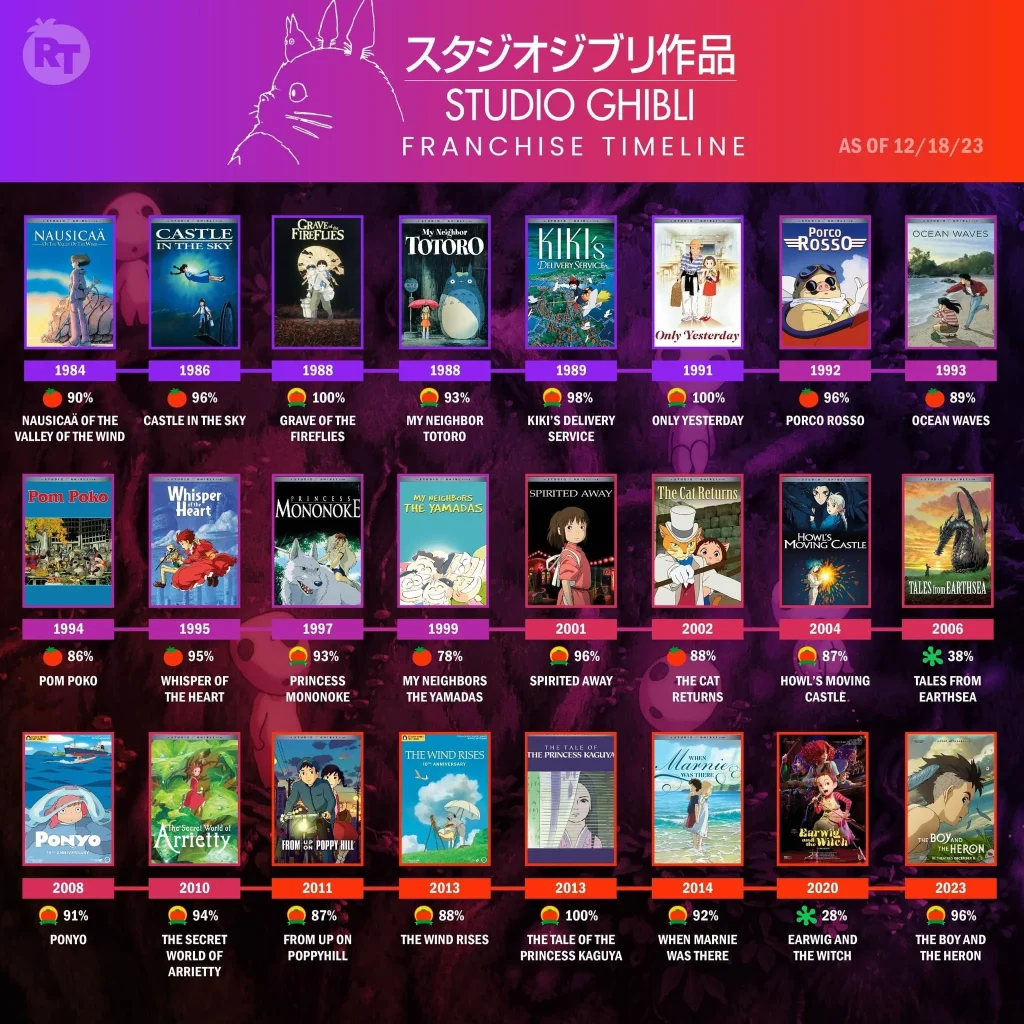
Reflecting on the AI-Ghibli phenomenon
For many, especially younger generations or those who weren’t already familiar with Studio Ghibli, these AI images have acted as a gateway. They discover the aesthetic first — the soft textures, whimsical scenery, dreamlike palettes — and then become curious enough to explore the films themselves. In that sense, it’s a brilliant loop of cultural curiosity.
It’s a testament to the enduring impact of Ghibli’s storytelling and visual artistry that decades-old movies are being rediscovered through cutting-edge technology. Rather than diminishing the originals, it’s giving them a second wind, a fresh life among audiences that may not have otherwise stumbled upon them.
If anything, it proves that great art doesn’t get lost in time — it just keeps finding new ways to speak to us.