One day I was sharing life with my best friend, and the next, I was a single parent to our daughter, Melina.
She found me crying in the living room
It was 2am, early May, 2023. I thought I was alone, but Melina ~ just barely four years old ~ had woken up, walked out, and saw me. Grief isn’t something you can hide, not from a kid who already lost her mother. She came over and just hugged me, no words, just presence. That moment broke me and saved me at the same time. Because I knew I had to feel everything and keep going ~ for her. And that’s how this chapter of my life began: grief, fatherhood, and slowly, music.
When everything changed
Losing Verena didn’t feel real at first. It was like my body kept moving, doing all the things it was supposed to ~ changing clothes, making food, playing silly games with Melina ~ while my mind hovered somewhere else entirely, disconnected, numb. The shock didn’t hit like a single punch; it seeped in slowly, like cold water rising until you’re drowning and didn’t notice it happening. Every part of my daily life was suddenly unfamiliar. Even the sound of silence in our home felt foreign.
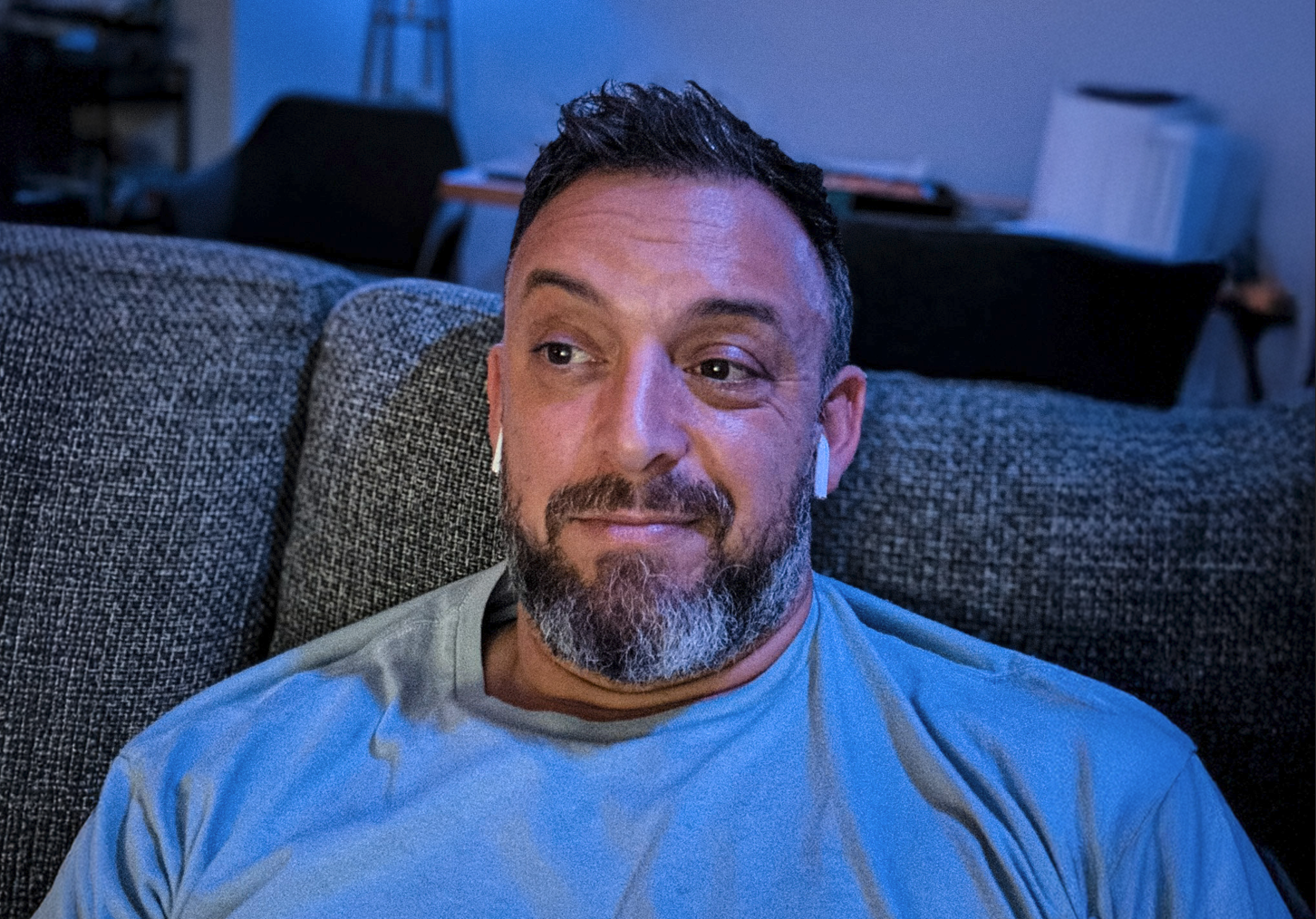
I became a full-time father and a widower in the same breath. There was no real transition, no time to prepare. Melina still needed me to be her rock, but I was crumbling on the inside. I’d put on a brave face for her, but when the house went quiet at night, that’s when the weight hit hardest. Crying on the couch became part of the routine. No child should ever have to see their parent break like that, and yet, she did ~ over and over again. That was the new reality.
What made it even harder was the isolation. People mean well, but they drift. Life goes on for everyone else. But for me, time froze and twisted. Grief doesn’t respect calendars. I was suddenly parenting alone, grieving alone, solving problems alone. And yet, I kept going. Because Melina needed me. And deep down, I knew I needed her too ~ she was my reason to get up, to function, to try. In the mess of it all, we slowly found a rhythm together, building something new out of everything we had lost.
Finding my way back to music
For the first few months, I was operating on autopilot. The days blurred into one another like a broken record stuck on repeat. Mornings were for Melina. Nights were for crying silently in the dark. I wore a smile for her, because that’s what I had to do ~ but inside, I was hollowed out. The child psychologist said I needed to slowly show Melina my real emotions, but how do you show grief without passing it on like a virus?
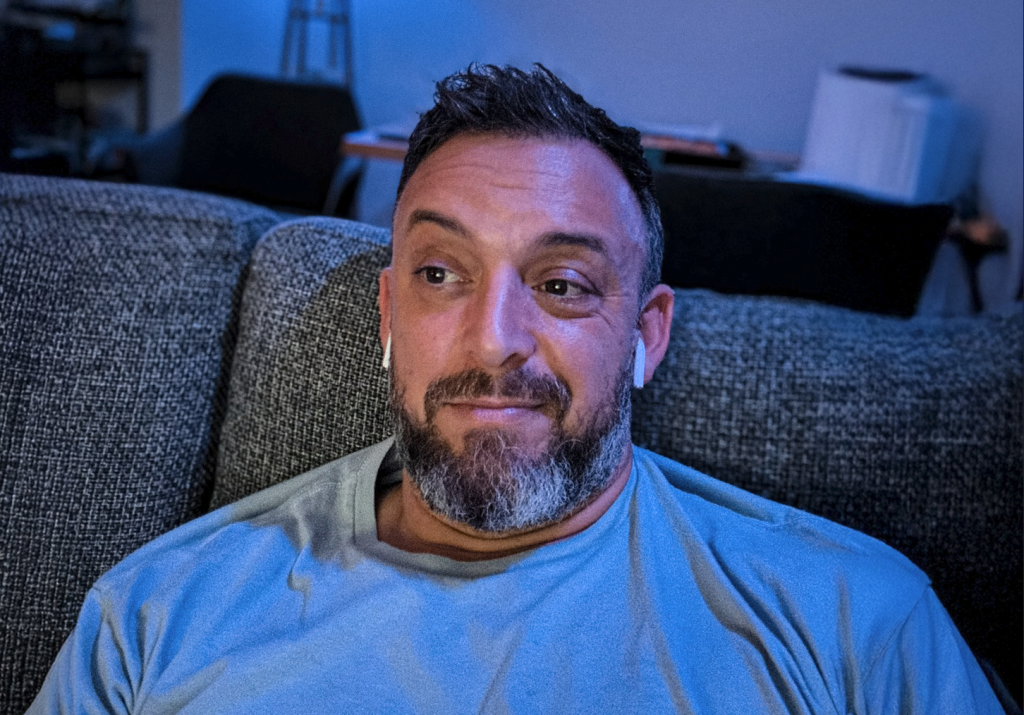
Eventually, I found my way back to music ~ not because I felt healed, but because I needed a place to put all that weight. The studio became a space where I could feel again without breaking. Every key I hit, every synth I tweaked, was a release valve. It didn’t stop the pain, but it gave it shape. And that made all the difference. Music wasn’t just therapy ~ it was survival. Realistically, music also was my only source of income; do or die.
Turning pain into sound
Turning pain into music wasn’t some romanticized process ~ it was messy, unfiltered, and often physically draining. I didn’t sit in front of my DAW with a grand vision of “expressing grief.” I sat there because I couldn’t do anything else. I wasn’t trying to make art. I was trying to survive. Every melody felt like pulling a thread from a tangled knot inside my chest, and sometimes that meant crying over a four-bar loop for an hour before even pressing record.
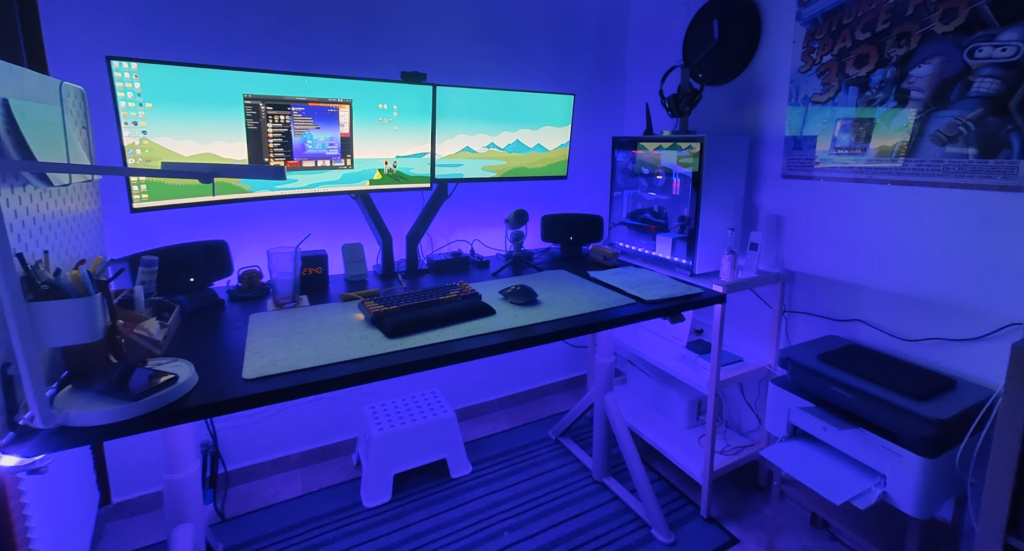
But those moments became sacred. The “bedroom studio” became the only place where I didn’t have to pretend. I could be angry, shattered, hopeful, all in one take. The silence between notes held more honesty than most conversations I was having at the time. My music didn’t fix anything ~ it gave shape to what couldn’t be said. It gave me something to hold onto when everything else felt like sand slipping through my fingers.
I poured everything into releases like Every Sunset Reminds Me of You ~ where she’s on the cover. “Hold My Hand One More Time” captures that raw emotional peak. Then came “Avrio” and “Esy” ~ tracks in Greek that still wreck me every time I listen. My Paracosm album was the turning point. It was a love letter to Melina, to her world, to the strange dreamlike dimension we built together after the loss. A paracosm is a detailed imaginary world, and mine was equal parts grief and hope. She calls it “Papa’s Musik.”
Sometimes I still sit in the dark and whisper her name. Not to remember. But to hear it out loud. To make her real for a second. And when the silence answers back, I sit with it.
A changed process, not a different one
I still record straight to .wav ~ multiple takes, pick the best one. That never changed. But now, every take holds more weight. More sensitivity. I don’t have the luxury of endless studio time. Fatherhood taught me that creativity doesn’t need 12 hours of isolation ~ it just needs presence. Sometimes, Melina falls asleep on my lap while I’m arranging or designing soundscapes.
The goal has always been to make music that means something. That hasn’t changed. But now, my reason is louder: to show up for Melina, to leave something behind for her, and to stay sane in the process.
When healing becomes discipline
After the fog lifted, I focused on showing up. Not just as a parent, but as a human. I worked through psychosomatic issues, built discipline around exercise and wellness, and dealt with everything life threw at me ~ including Melina’s outbursts, my creative dry spells, and the loneliness of single parenting.
Healing isn’t linear ~ it’s chaotic, frustrating, and often invisible. In the beginning, I was just surviving. Feeding Melina, staying afloat, doing what I had to. But slowly, I found structure in the chaos. Routine became my anchor: gym, cooking, music, bedtime stories. Not glamorous, just necessary.
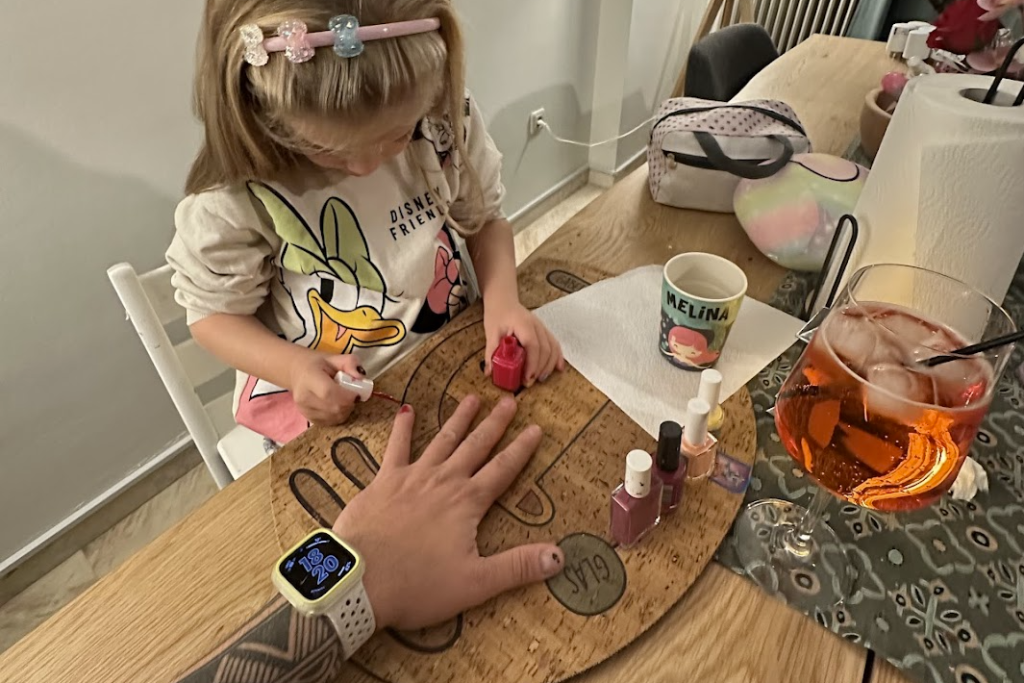
Structure saved me. Not strictness ~ structure. Waking up at the same time. Dropping Melina off at kindergarten. Hitting the gym even when my body felt like dead weight. Cooking meals. Doing the dishes. Showing up to my work. Not every day felt “productive,” but every act ~ no matter how small ~ became a brick in the rebuilding process. At first, it felt robotic. Soulless. But over time, it started to feel like strength.
Eventually, the discipline stopped feeling like a survival mechanism and started to feel like self-respect. Like honoring my time, my creativity, and the people I love. Healing became less about “getting over it” and more about moving forward with intention. And when I look back now, I don’t see a man who “got through it.” I see a man who rebuilt himself brick by brick ~ not perfectly, but deliberately.
The daily dance of dadhood and beats
Life as a single dad is a constant balancing act. Most days begin with Melina ~ waking her up, getting her dressed, preparing breakfast, and walking her to school. That’s my first shift. Once she’s off, I enter my second role: creative, label head, designer, whatever the day demands. But the clock is always ticking. I don’t get long, uninterrupted stretches of time anymore. My days are split into fragments ~ stolen hours between drop-offs, pick-ups, meals, playtime, and bedtime. And once she’s asleep, I either dive back into music or collapse from exhaustion. Some nights I train, others I produce. But rest? That’s become a luxury.
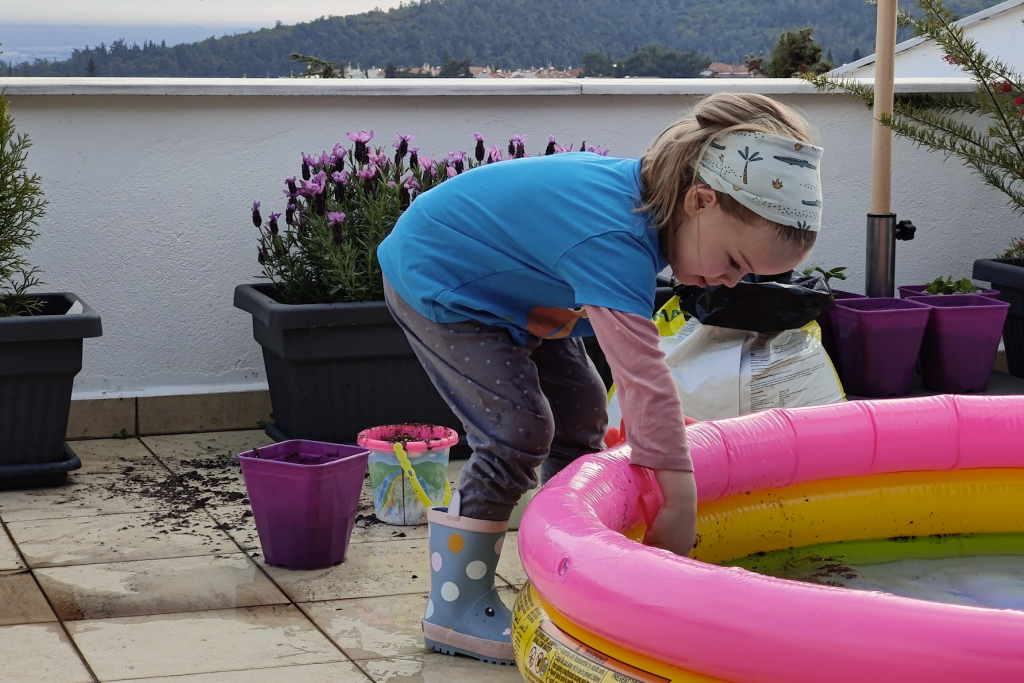
There are no backup plans or co-parents to take over. Every deadline I miss, every email I forget to reply to, every project that stalls ~ they’re all casualties of this new life rhythm. But I’ve made peace with that. I’ve traded perfection for presence. What I lose in speed, I gain in depth. Being Melina’s dad doesn’t drain my creativity ~ it shapes it. I’m more patient. I feel more. I see life in richer shades. Sometimes, she sits beside me while I arrange or mix a track. Other times, she falls asleep to the rhythms of synths and lo-fi textures swirling through our home. Music and fatherhood aren’t separate worlds anymore ~ they overlap, feed off each other, coexist.
And that’s the beauty of it. This isn’t some polished, idealized version of parenting or creativity. It’s messy, chaotic, exhausting… but also magical. I’ve learned to let go of hustle culture and lean into a slower, more intentional form of creation. Sure, I drop the ball now and then. But I always show up. For Melina. For the music. For myself.
They’re always in the music
My girls ~ Verena and Melina ~ are in every note I write. They live inside the melodies, the textures, the pauses between chords. It doesn’t matter what genre I’m working in ~ lo-fi, ambient, synthwave, melodic house ~ the emotional blueprint always comes from them. Verena is the memory. Melina is the moment. And the music is the bridge between the two.
There isn’t a track I’ve made since Verena passed that doesn’t carry a trace of her. Sometimes it’s obvious, like when I name a song after her or sample a recording from our old videos. Other times it’s more subtle ~ a chord progression that reminds me of a sunset we shared, a tempo that echoes the rhythm of our conversations. Her presence is never forced. It just shows up ~ like a soft breeze, or a sudden sting. She’s there when I need strength. She’s there when I crumble.
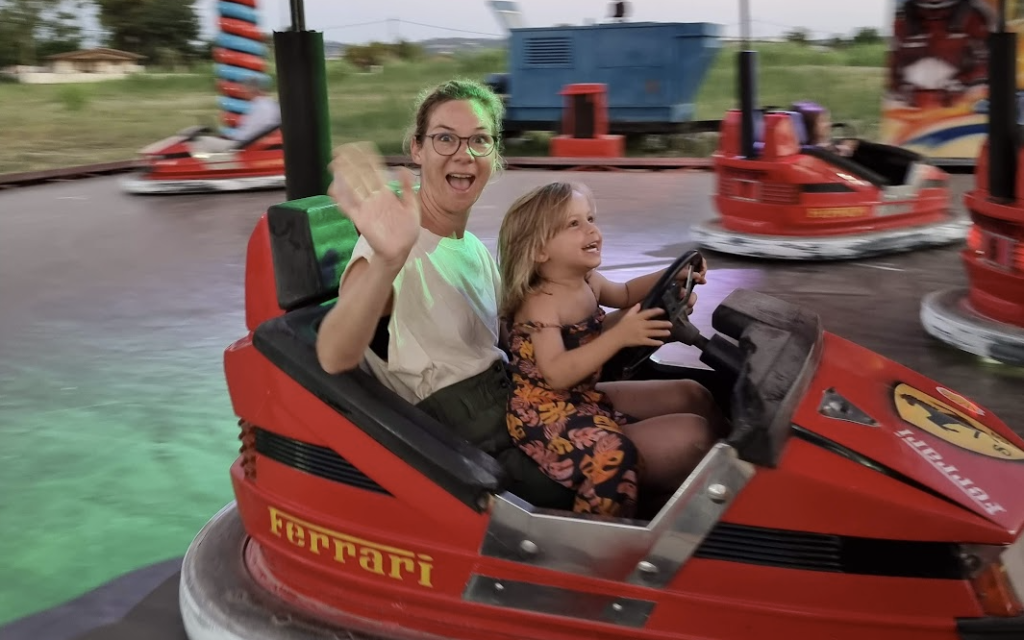
Melina, on the other hand, is my pulse. She’s the reason I get out of bed. She’s the fire that keeps me going. Writing music for her, and often with her nearby, is a ritual of love and protection. She hears my unfinished demos, my fumbled basslines, my half-baked loops. Sometimes she dances. Sometimes she asks questions. Sometimes she just sits in silence, soaking it all in. I don’t think she fully understands the weight of it yet ~ the meaning, the memory, the grief wrapped in those harmonies. But one day she will. And when that time comes, she’ll have a sonic archive of our story.
This music is more than self-expression ~ it’s memory preservation. A time capsule of feeling. It’s the place I store everything I can’t say out loud. And even when the songs don’t have lyrics, they speak. About love. About loss. About healing. About the chaos and calm of fatherhood. And about the two souls who shaped me into the person and artist I am today.
Music that feels like life
Music was never just a hobby for me. It’s a living, breathing extension of how I process the world. After everything that’s happened ~ losing Verena, raising Melina alone, and trying to rebuild a life that made sense again ~ music became the one space where I didn’t have to filter anything. I could be raw, broken, nostalgic, or hopeful, and it would all translate into the keys I pressed, the textures I layered, and the loops I let run too long just to feel something.
It’s not about chasing trends or fitting into a playlist algorithm. I don’t make music to compete; I make it to cope.
Some days it’s lo-fi, dusty, warm, and distant ~ like remembering something beautiful you can’t get back. Other days it’s melodic, pulsing, structured ~ like trying to hold onto the present and make sense of it while it slips through your fingers. This music isn’t “content,” it’s me ~ processing joy, grief, growth, frustration, pride, and love. The beats are simple on the surface, but behind every kick and pad is a moment lived.
My life may be chaotic, but in music, I find rhythm. And that rhythm reflects life ~ sometimes clean, sometimes messy, but always moving.
Let it all in
Grief doesn’t ask for permission. It barges in, sits next to you at breakfast, sneaks into your headphones, and rewrites the chords you thought you already knew. I learned to stop trying to outsmart it. Instead, I gave it a seat at the table. Letting it in didn’t mean letting it rule me ~ it meant acknowledging that it’s now part of me. Part of the music. Part of the process.
Some days, I felt everything. Others, nothing. But every emotion had a place ~ in a chord, a drum loop, a distant reverb tail. Letting it all in made the music real. It wasn’t about polishing the pain, it was about capturing the truth. And sometimes the truth sounds like a cracked piano, a glitch in the loop, or a melody you can’t finish because you’re choking back tears.
Letting it all in isn’t weakness ~ it’s how you stay human. And that’s all I ever wanted my music to be: human.