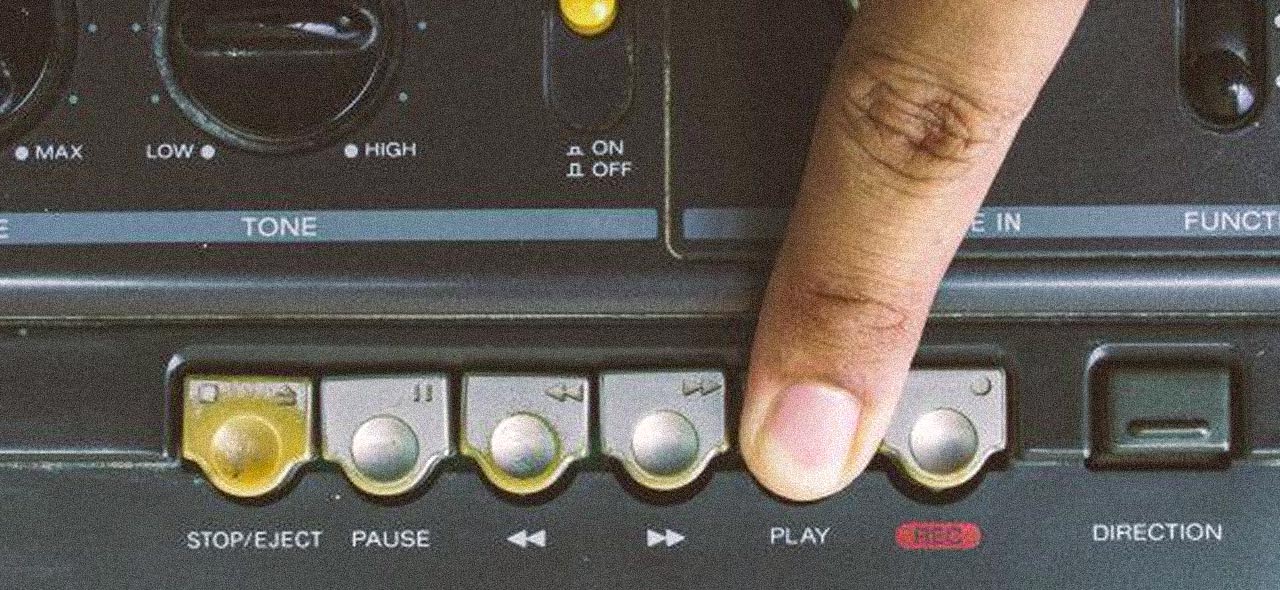
Sometimes you have to lose the spark to remember why you lit the fire in the first place.
There was a time when lo-fi hip hop felt like a quiet rebellion. A low-stakes, high-emotion soundtrack for the unseen, the insomniacs, the artists, and the in-betweeners. It was beautiful precisely because it was imperfect ~ rough around the edges, full of texture, raw intent, and emotional depth. But as with most underground movements, the charm didn’t stay underground for long.
From mixtapes to metrics
Lo-fi used to live on SoundCloud, Bandcamp, forums, and blogrolls. There were no blueprints. People sampled anime, field recordings, vintage soul, jazz, vinyl static ~ anything that captured a moment. It wasn’t polished, but it pulsed with personality. There was a sense of discovery. And when you found an artist with 23 followers whose beat broke your heart? That was gold.
But then came the rise. Lo-fi blew up on YouTube. On Spotify. Suddenly there were labels, curated playlists, 24/7 radio streams, algorithms. Lo-fi became easy. Accessible. Background noise. And in that shift, something got lost. The soul got sanded down in favor of aesthetic consistency. Instead of texture and emotion, we got predictability. Instead of story, we got loops.
Sanded down for comfort
This isn’t just nostalgia talking. We started trading emotional complexity for chilled vibes. Tracks began sounding the same: same keys, same structure, same BPM, same tired drum kit. It worked ~ it streamed well. But for many creators, it stopped feeling like music. It started feeling like content.

And yet, the genre kept growing. For many, lo-fi became a source of calm, a tool for focus or sleep. That’s not a bad thing. But somewhere along the way, the why behind making it changed. Or disappeared. For some of us, that hurt. For others, it was just evolution.
Letting go of the purist mindset
Here’s the thing: every genre that breaks through the underground risks this transformation. The moment it gets big, it changes. You can fight that ~ or you can adapt. That’s what I’ve learned. Trying to gatekeep what lo-fi should be only makes you bitter. The genre is wide enough for both the playlist-ready loops and the heartfelt compositions. And maybe it’s our job to make room for both.
When I stepped back and asked myself why I make music ~ really make it ~ it wasn’t for editorial placement or daily streams. It was to process grief. To make something for my daughter. To put emotions somewhere they could breathe. That hasn’t changed. If anything, it’s become more important.
Letting evolution in
I’ve recently found myself exploring new territories. Synthwave. Progressive house. Styles that feel like coming home to the music I loved before lo-fi ~ and still love. Not because I want to chase a trend, but because I needed to expand. To breathe again. To find that spark.
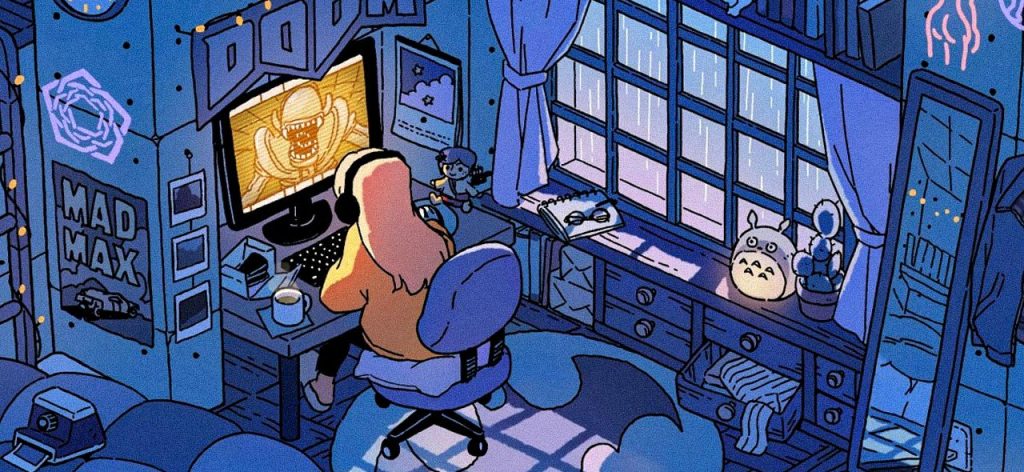
And guess what? That expansion helped me appreciate lo-fi again. Not the playlist version, but the real version. The version where a beat is a story, a conversation, a memory wrapped in a kick-snare pattern. You don’t have to stay in one lane forever. You can wander, and still come back home.
Outro
So maybe lo-fi lost a little bit of its soul. But maybe that’s okay. Because it also found its way into millions of ears, and helped people get through tough days. Because it’s still evolving. Because some of us are still here, pouring real life into quiet beats.
This isn’t an obituary. It’s a reminder. The heart of lo-fi isn’t dead ~ it’s just quieter now. But if you listen closely, you’ll still hear it. In the tape hiss. In the off-key chord. In the unquantized swing of a beat that wasn’t made to be perfect. Just honest.
Genres shift, trends fade ~ but honesty in sound? That always resonates.