Exploring the delicate balance between data-driven decisions and creative intuition in UI/UX design.
As someone who’s been both on the agency and product side of design, I’ve seen the power of user research first-hand. It’s a foundational piece of the UX puzzle, no question. But lately, I’ve noticed a growing trend: the belief that more research always equals better design. And here’s the hot take — that’s not always true. In fact, when overused, research can dull the edge of creativity and turn designers into data-bound robots.
The logic trap: When data becomes a creative crutch
Research is meant to inspire — to highlight pain points, validate assumptions, and spark new ideas. But when teams become too reliant on it, it morphs into a crutch. Designers can get trapped in an endless cycle of usability tests, interviews, heatmaps, and A/B tests without ever pushing a single pixel with confidence.

This overdependence can lead to what I call decision paralysis by data. You’re so busy gathering insights that bold ideas get watered down, or worse, never see the light of day. And let’s not forget: users can’t articulate needs for things that don’t yet exist. If we’d asked people what they wanted in a phone 20 years ago, the answer wouldn’t have been a smartphone. Innovation often contradicts consensus.
Design is not democracy
One of the most dangerous side effects of too much UX research is the assumption that design should cater to the majority — because the majority said so. And while that might lead to safe, user-friendly solutions, it also results in bland, generic experiences. The type that fade into the background and get lost in the sea of sameness.

Think about the last five apps you opened. Can you describe their UI without looking? Probably not. That’s what happens when design is driven solely by collective approval. It becomes inoffensive — and forgettable.
Great design isn’t always universally loved at first glance. It challenges, surprises, and makes people feel something. That’s something data alone can’t do.
Instinct + Research = Real UX magic
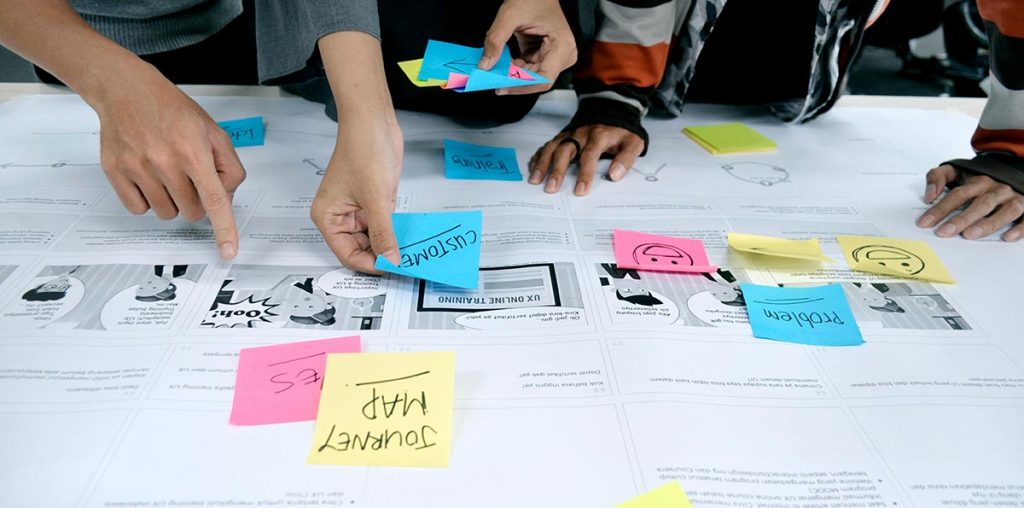
Let’s make one thing clear: this isn’t an anti-research rant. Research is critical. But the best UX happens when instinct and data work together. A skilled designer trusts their gut but uses research to refine, not to dictate. You need both: the vision to go first and the insight to iterate smartly. It’s the sweet spot where creative leadership meets informed decision-making.
I like to think of it like jazz. You learn the structure and theory — but when it’s time to perform, you play with feeling. You improvise. You take risks. Because that’s where the art is.
The courage to “go first”
Design isn’t just about solving problems — it’s about creating experiences. And sometimes, that means going out on a limb. Taking a creative risk before the data says it’s safe.
Because users don’t always know what they want until you show it to them. And when you do, and it resonates? That’s the magic of good design. That’s what makes it memorable.
So yes, do your research. But don’t be afraid to design from your gut. Lead with vision — and let the data follow.