Somewhere along the way, lofi hip hop and chill beats stopped feeling like a movement and started feeling like a product.
And the wildest part? We helped build the machine. The early days were raw, spontaneous, filled with hiss, mistakes, and heart. Then came the playlists ~ comforting, consistent, algorithmically engineered havens. They were good. Really good. Until they weren’t.
From dusty beats to digital sedation
Back in the day, we made music for late-night walks, breakup recoveries, study marathons, or just surviving life with a little groove in your soul. Lofi was a vibe because it was unpredictable. Every track had personality. There were no rules about BPM, track length, or aesthetic. We dug through crates, recorded onto tape, layered real instruments, and let imperfections breathe.
Then the playlists arrived. The big ones. You know the names. And for a moment, it felt like a dream. More eyes. More plays. Some money, finally. But with that came pressure. Suddenly, the music wasn’t about vibe, it was about fit. You had to sound like the track before you, and the one after. You learned quickly what worked: 60 to 90 seconds. No vocals. No big emotion swings. Safe, simple loops. Vinyl crackle? Always.
Algorithm over artistry
Streaming platforms changed everything. They rewarded familiarity over originality. A track that didn’t challenge the listener, didn’t interrupt the background, didn’t draw attention to itself? Perfect. And we adapted. We made 30-second tracks to game payout systems. We normalized uploading under fake artist names. We saw how the machine rewarded quantity over depth. Some leaned in. Others quietly stepped back.

The irony is we all wanted visibility. We wanted the genre to grow. And it did. But at what cost? Some producers became factories. Some listeners forgot music could make you feel something. The vibe got diluted. Intimacy got lost. It started to sound like everyone was producing for a background music playlist at a co-working space in Berlin.
A moment of reflection
This isn’t about finger-pointing. Hell, I’ve benefitted from those playlists. I’ve been part of the machine. Still am, in ways. But I also remember when this music helped me survive grief. When it was a love letter to my daughter. When I would cry during takes because the melody hurt so good. That’s the kind of music I want to make. Not filler.

And there are others like me. Artists still putting their soul into dusty piano loops and upright basslines. Still chasing feeling, not just stream count. Still trying to hold on to the intimacy that made this genre resonate in the first place.
Can we unbuild the machine?
Maybe. Maybe not. But maybe that’s not even the point. Maybe it’s less about tearing the system down and more about choosing to operate outside of it — consciously, quietly, and with intent. We can still make space for music that isn’t designed to serve an algorithm. We can create islands of authenticity in a sea of conformity.
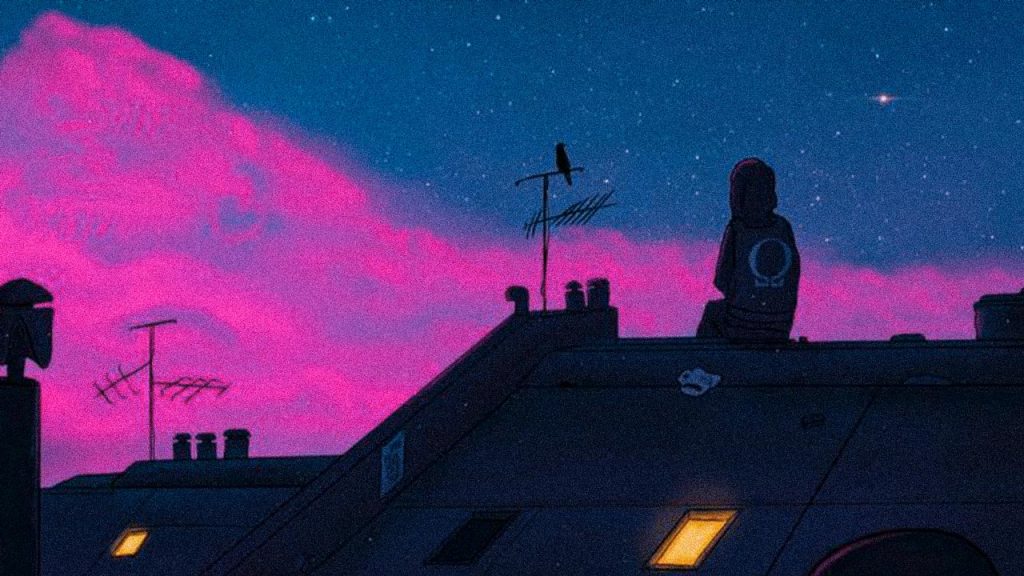
It starts small: a self-released EP that’s too weird for the playlist but too real to ignore. A project that takes six months instead of six hours. A song that doesn’t loop, but unfolds. We don’t need permission to do that — just the guts to not care who doesn’t get it.
Outro
So here’s to the producers still pushing. Still sampling vinyl their parents passed down. Still recording guitars through dusty preamps. Still writing for the people who actually listen. You know who you are.
Here’s to those who don’t chase the trend but follow the thread of their own feeling. Who take longer to release because they’re crafting something that means something. Who don’t optimize for skip rate or retention but for goosebumps. For healing. For connection.
Here’s to the listeners who go beyond the curated playlist. Who dig through Bandcamp, who still buy cassettes, who read liner notes, who message producers just to say a track saved their night. Maybe the machine will keep spinning. But we can still carve out quiet corners where the art lives. Where it’s messy and real and human. That’s where the future is. See you there.
Lofi isn’t dead. But if we’re not careful, the soul of it will be. And that would be a shame.