“The quieter you become, the more you can hear.” ~ Ram Dass
In a world overloaded with content, lo-fi music carved out a quiet corner. It became the soundtrack to everything: study sessions, coffee shop workdays, 2 a.m. thoughts. But somewhere along the way, the genre became… sanitized. Safe. Soothing, yes ~ but sometimes devoid of story. What started as the sound of imperfection became background noise.
But a quiet revolution is taking place. One that doesn’t scream for attention, but whispers things we forgot how to say. It’s called emo lo-fi ~ and it’s bringing the personal narrative back to the surface.
The Lo-Fi Paradox: Chill but Emotionless?
The early lo-fi pioneers built their worlds out of crackling samples, dusty jazz loops, warped vinyl textures, and beats that stumbled just enough to feel alive. It was never just about the sound ~ it was about the feel. But as the genre gained momentum, platforms began shaping it into something more algorithmic.
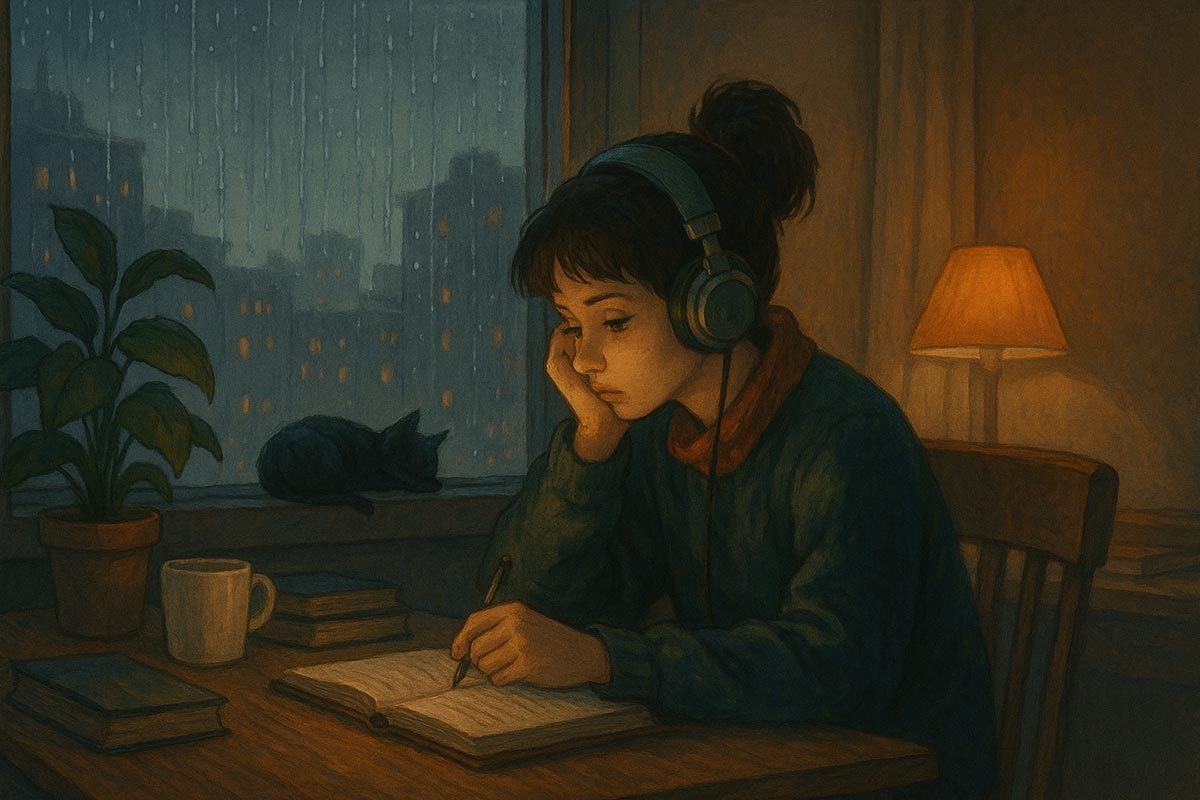
An aesthetic was codified: anime girl loops, muted earth tones, 85 BPM drums, soft Rhodes chords. Playlists like “lofi beats to relax/study to” exploded, and with them came the risk: emotional flattening. The genre became synonymous with utility. Mood music. Ambience. Lo-fi became invisible ~ there, but not heard.
Enter: Emo Lo-Fi
But now, a shift. A different wave of producers and listeners are pushing back ~ not with volume, but with vulnerability. They don’t scream through distortion; they whisper through intention. Emo lo-fi is subtle but deliberate. It’s a return to storytelling through mood and minimalism. Instead of faceless beat loops, you now find:
- Track titles that read like fragments of journal entries:
“I still dream of her”, “Days we don’t talk about”, “Room full of echoes” - Cover art that invites interpretation:
Polaroids curled with age, vacant chairs, blurry nightscapes, faded letters. - Field recordings that ground the beat in memory:
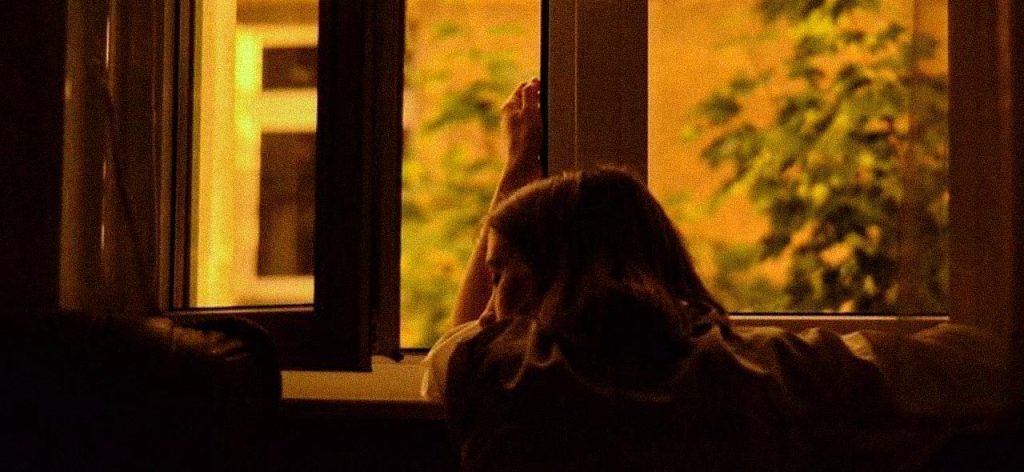
A distant train, rain against a window, a child humming, a voicemail cut short.
It’s lo-fi, but it aches.
Beyond study beats: This is grief, love, and memory
There’s a misconception that instrumental music is emotionally neutral. That if it doesn’t have lyrics, it doesn’t have a message. Emo lo-fi proves otherwise. Many of these tracks are created in the aftermath of something:
- The end of a relationship.
- The loss of a parent.
- The longing for someone who exists only in memory.
These songs become letters never sent, built from pads, percussion, and pauses. The silence between notes is where the truth often lives. Producers in this space aren’t chasing playlist placement. They’re documenting something personal. Sometimes it’s about love. Sometimes it’s about loss. Always, it’s about presence. They’re not scoring someone else’s productivity ~ they’re scoring their own inner lives.
The rise of micro-stories
On platforms like TikTok and Instagram, this emotional shift is finding form through visuals. Creators pair 15-second lo-fi snippets with:
- Childhood home videos.
- Text overlays like: “This one’s for the people I lost before I could say goodbye.”
- Quick montages of personal objects: Polaroids, record sleeves, half-burned candles, old letters.
It’s not about virality. It’s about documenting emotion in miniature. These micro-stories feel like opening a time capsule, or flipping through someone else’s diary under a flashlight. Music becomes a backdrop for memory ~ and memory becomes the message.

Why it matters
Lo-fi was always about feeling more than polish. Emo lo-fi simply remembers that. In an age where everything is curated to perfection, there’s something powerful about songs that don’t resolve. About chord progressions that trail off. About basslines that wobble like an unsure voice. This movement invites vulnerability into a genre that became too functional. It’s a reminder that even our calmest moments can carry weight. For some, it’s healing. For others, it’s reflection. For all, it’s human.
Outro
Emo lo-fi isn’t a trend. It’s a return. A return to the idea that music ~ especially instrumental ~ can carry a narrative even in the absence of words. It’s the sound of someone grieving quietly through tape hiss.
The joy of a new chapter captured in soft piano runs. The bittersweet texture of time, wrapped in warm analog imperfections. And just maybe, it’s the sound of remembering how to feel.
Some things are too sad to say out loud. But they can live in a melody.